

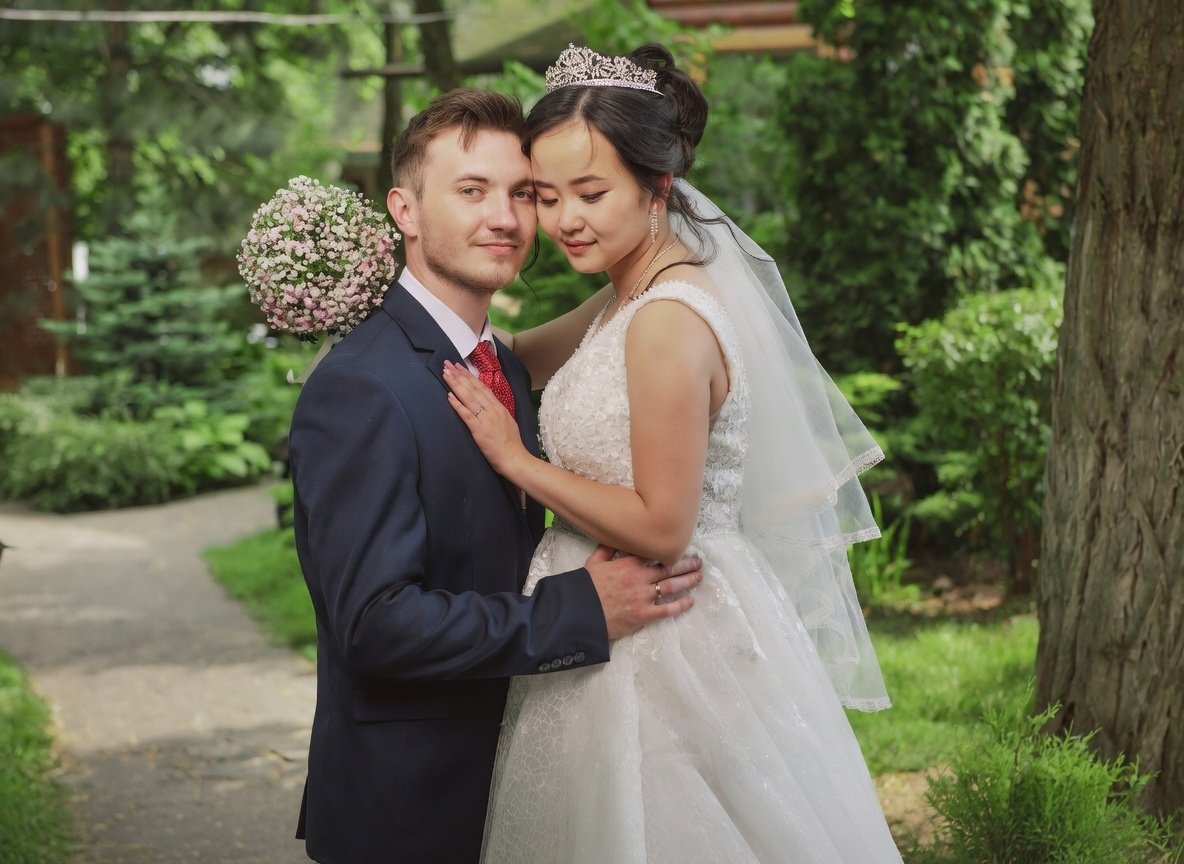
K-3 Spouse Visa for Married Couples
The K-3 spouse visa allows the foreign spouse of a U.S. citizen to travel to the United States while their immigrant visa petition is being processed.
What Is a K-3 Spouse Visa?
The K-3 visa is designed for couples who are already legally married. It allows the foreign spouse of a U.S. citizen to enter the United States while waiting for their immigrant visa petition to be processed.
This visa helps reduce the time couples must remain separated during the immigration process.
Who Can Apply for a K-3 Visa?
To qualify for a K-3 spouse visa, the following conditions must typically be met:
• The petitioner must be a U.S. citizen
• The couple must be legally married
• A petition must be filed with USCIS
• The relationship must be legitimate and properly documented
Documents Commonly Required:
Common documents may include:
• Marriage certificate
• Passport copies
• Birth certificates
• Financial support documentation
• Proof of Citizen in Good Standing
• Evidence of the marital relationship
K-3 Visa Application Process
1
Complete applications
2
Gather required documentation
3
Submit application with supporting documents
4
Embassy Interview
5
Medical and Biometrics Conducted
6
Receive Visa Approval
7
Travel to the USA
How Long Does the K-3 Visa Process Take?
Given that the K-3 Spousal Visa processing time typically spans 12 to 24 months, preparing a well-organized application package and ensuring all requirements are met is crucial for a smooth process.
Benefits of the K-3 Visa
• Allows spouses to reunite sooner
• Enables entry to the United States while immigration processing continues
• Helps reduce long periods of separation
1. How long does the K-3 spouse visa process take?
Processing times for the K-3 spouse visa may vary depending on government processing workloads. While timelines can differ, the process often takes 12 to 24 months, depending on USCIS and embassy processing stages.
2. Can a couple apply for a fiancé visa if they have never met in person?
In most cases, couples must have met in person within the past two years. Exceptions are rare and typically granted only when meeting in person would violate strict cultural traditions or create extreme hardship.
3. Is financial sponsorship required for fiancé or spouse visas?
Yes. The U.S. citizen petitioner must demonstrate the ability to financially support their partner. This is typically done by submitting an Affidavit of Support along with proof of income or financial resources.